
Pre-Season Training for Niseko Powder
A guest post by Stu Buckland of Japan Ski Experience, a fellow Niseko business.
Skiing or snowboarding in Niseko’s deep snow can take a lot more effort than most people expect, and the best way to prepare is with some targeted pre-season training. Doing the right exercises can help you to spend longer on the mountain before fatigue sets in and even reduce your risk of injury.
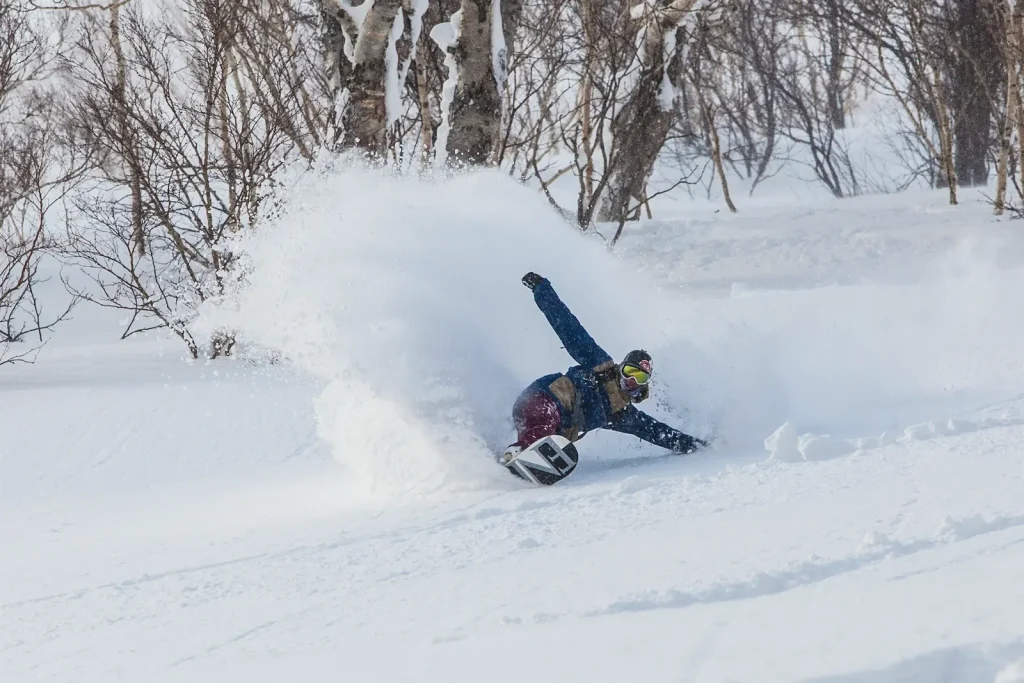
Best exercises for skiing and snowboarding
Skiing and snowboarding involve several types of movements that you should train for. A strong core is one of the most important areas because you’ll be able to use correct technique for longer.
- Squats and lunges: Build quad, hamstring and glute strength for controlling your turns.
- Slow step-downs: Train your legs to bend under pressure without collapsing when you hit bumps.
- Lateral lunges and skater jumps: Build the sideways strength and balance you need for switching edges.
- Planks and Pallof presses: Keep your upper body steady while your legs steer.
- Squat jumps and skater bounds: Give you the power for quick changes of direction.
- Wall sits and cardio: Keep your legs working through hours of heavy snow.
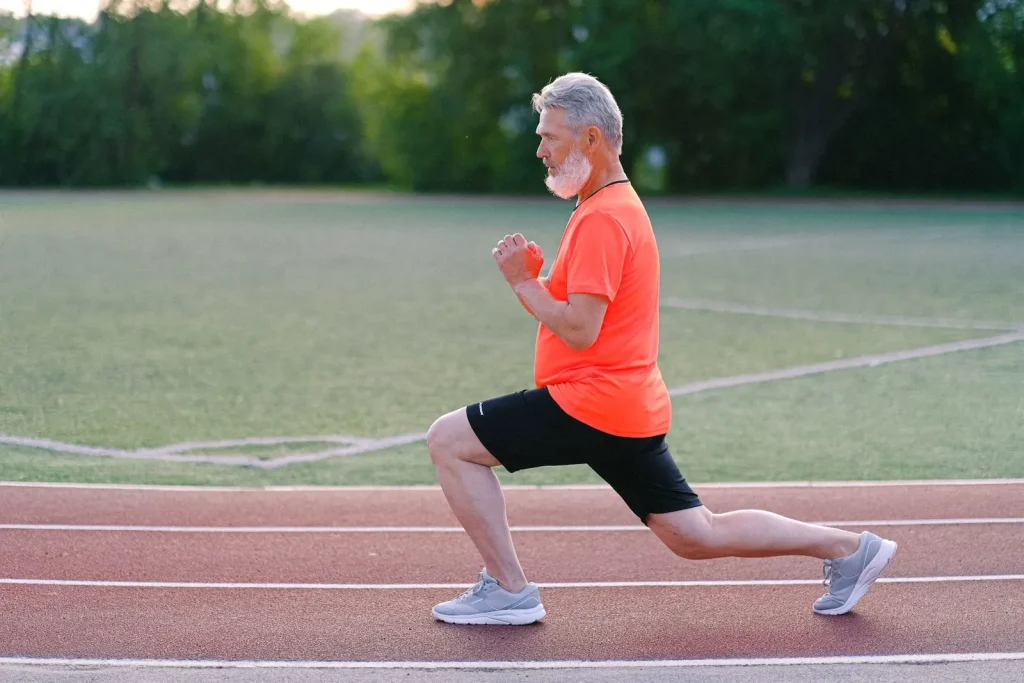
Skiers and snowboarders: different training?
The same programme is good for both skiers and snowboarders. Skiers get more out of extra quad strength and eccentric control for moguls and variable snow, so squats, split squats and slow step-downs are great exercises. Snowboarders will benefit from more hip mobility and rotation, so try calf raises, tibialis raises and Pallof presses.
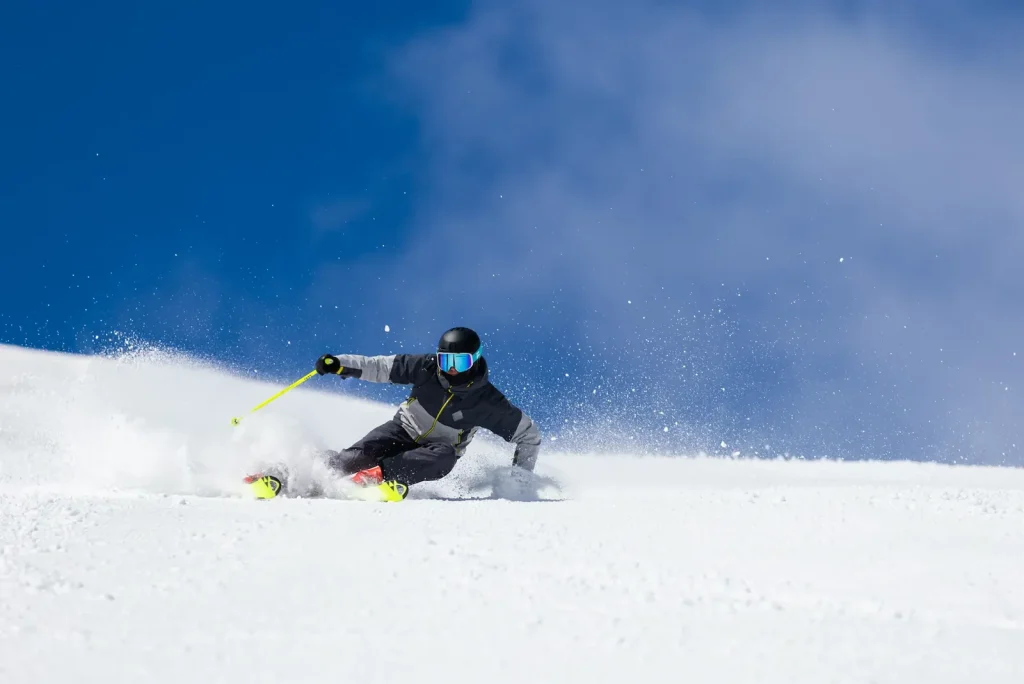
How to stay on the mountain longer
A full day at Niseko United can mean six hours or more on snow, so you need the stamina to keep going as well as the strength. The second session each week includes 30 minutes of moderate cycling or uphill walking at a pace where you can still hold a conversation, and the third session has short cycling intervals that you build up over the weeks.
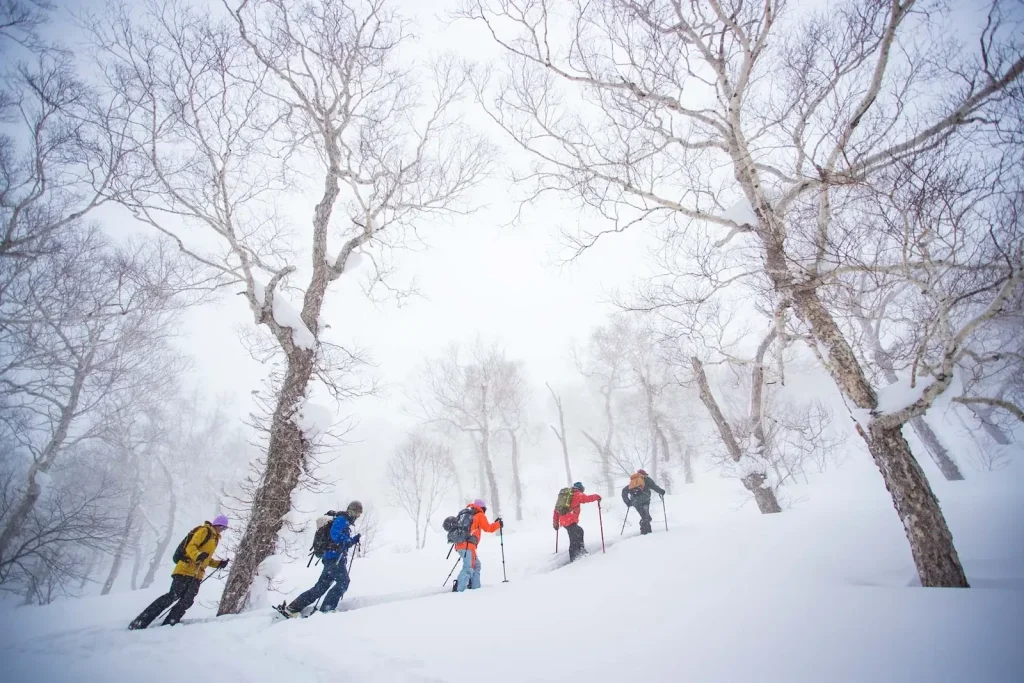
Can pre-season training help prevent injuries?
Strength training reduces injury risk mainly because it lets you hold your technique together when you’re tired, which is when most ski and snowboard injuries happen. Stronger muscles also absorb more of the force from a bad landing before it reaches your knees or wrists.
Cold muscles are more prone to strain, and your legs cool down fast in a Niseko lift queue, so a few bodyweight squats and lunges while you wait are a good warm-up, and keeping your legs moving on the chair stops them stiffening up between runs. Nobody remembers to drink water on a powder day, so if you’re having a beer at lunch, have some water with it and your legs will last the afternoon.
The three-day ski and snowboard training plan
Three workouts a week with a rest day between each, starting eight to twelve weeks before your trip if you can. The days below are just an example, so start on whichever suits you. If you’re new to the gym, start with fewer sets and the easier variations, warm up for five to ten minutes first, and rest for one to two minutes between sets. This isn’t medical advice, so if you’ve got a dodgy knee or anything else, check with a physio first.
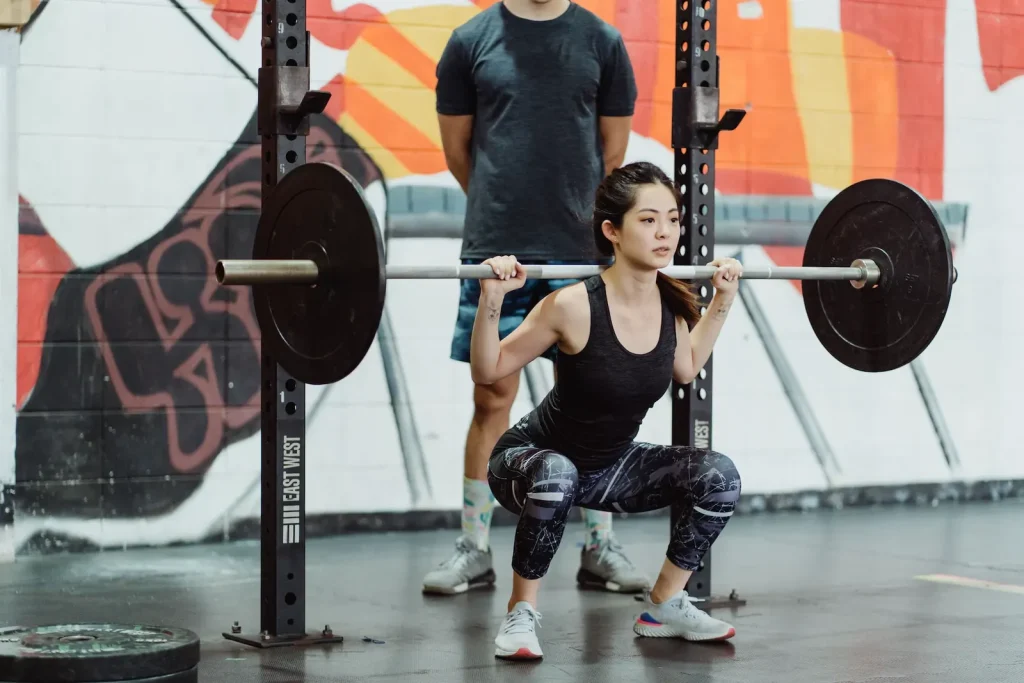
Monday: Strength
- Squat: 3 sets, 5 to 8 reps. Start with a goblet squat and progress to a barbell squat or leg press.
- Hip hinge: 3 sets, 6 to 10 reps. Romanian deadlift with light dumbbells, then a barbell.
- Slow step-downs: 2 sets, 6 to 8 reps per leg. Use a low step with support to begin with, then go higher or add weight.
- Calf raises: 2 sets, 12 to 15 reps.
- Rows: 2 sets, 8 to 12 reps.
- Push-ups: 2 sets, 8 to 12 reps. Incline or knee push-ups if you need to, slower or weighted if you don’t.
- Side planks: 2 sets, 20 to 40 seconds per side.
Wednesday: Stability and endurance
- Skater bounds: 2 sets, 10 to 15 reps per side. Sideways steps with a balance hold to begin with, longer jumps as you progress.
- Split squat or reverse lunge: 3 sets, 6 to 10 reps per leg. Bodyweight first, then weighted or Bulgarian split squats.
- Lateral lunges: 2 sets, 8 reps per side. Add weight once the movement is comfortable.
- Hamstring curls: 2 sets, 8 to 12 reps.
- Pallof press: 2 sets, 10 reps per side.
- Moderate cycling or uphill walking: 30 minutes.
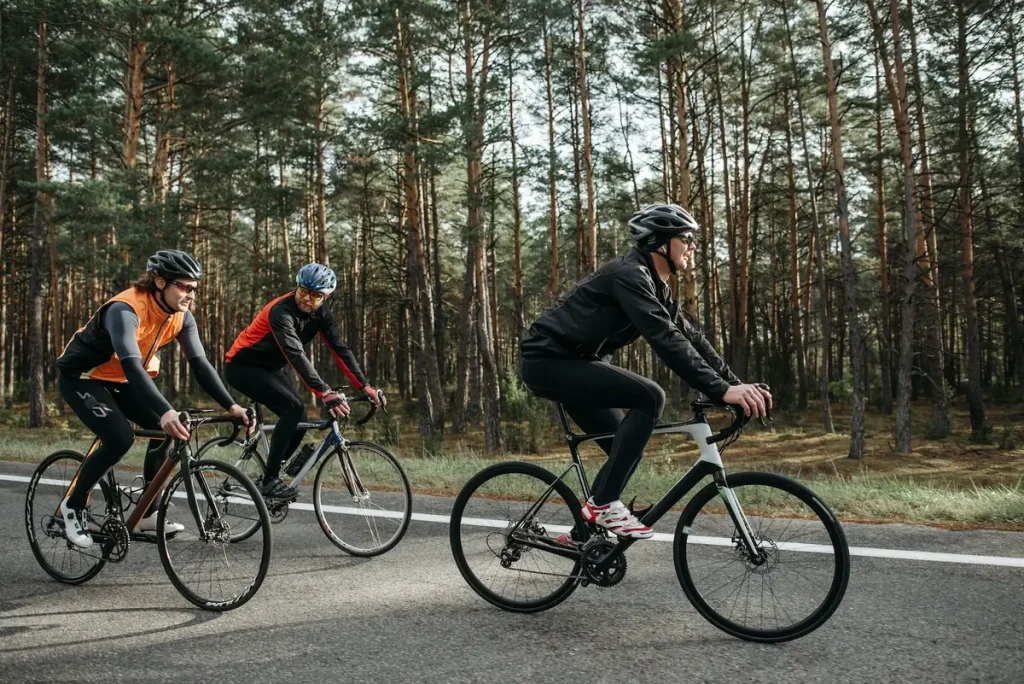
Friday: Power and endurance
- Squat jumps: 3 sets, 10 to 15 reps. Bodyweight squats to begin with, higher jumps or dumbbells later.
- Single-leg balance reaches: 2 sets, 8 reps per leg.
- Step-ups: 3 sets, 6 to 10 reps per leg. Low step first, then higher or weighted.
- Wall sits: 3 sets, 30 to 60 seconds. Add a weight on your lap once you reach 60 seconds.
- Tibialis raises: 2 sets, 12 to 20 reps.
- Rows: 2 sets, 8 to 12 reps.
- Push-ups: 2 sets, 8 to 12 reps.
- Bike intervals: 4 to 6 rounds. Start with 30 seconds hard and 90 seconds easy, build to 60 seconds hard and two minutes easy.
About the author
Stu Buckland works for Japan Ski Experience in Niseko and spends the off-season in the gym getting ready for the on-season. Japan Ski Experience is an independent booking platform for ski accommodation in Japan, with a Niseko-based team and one of the widest ranges of Niseko accommodation across Hirafu, Hanazono, Niseko Village and Annupuri.